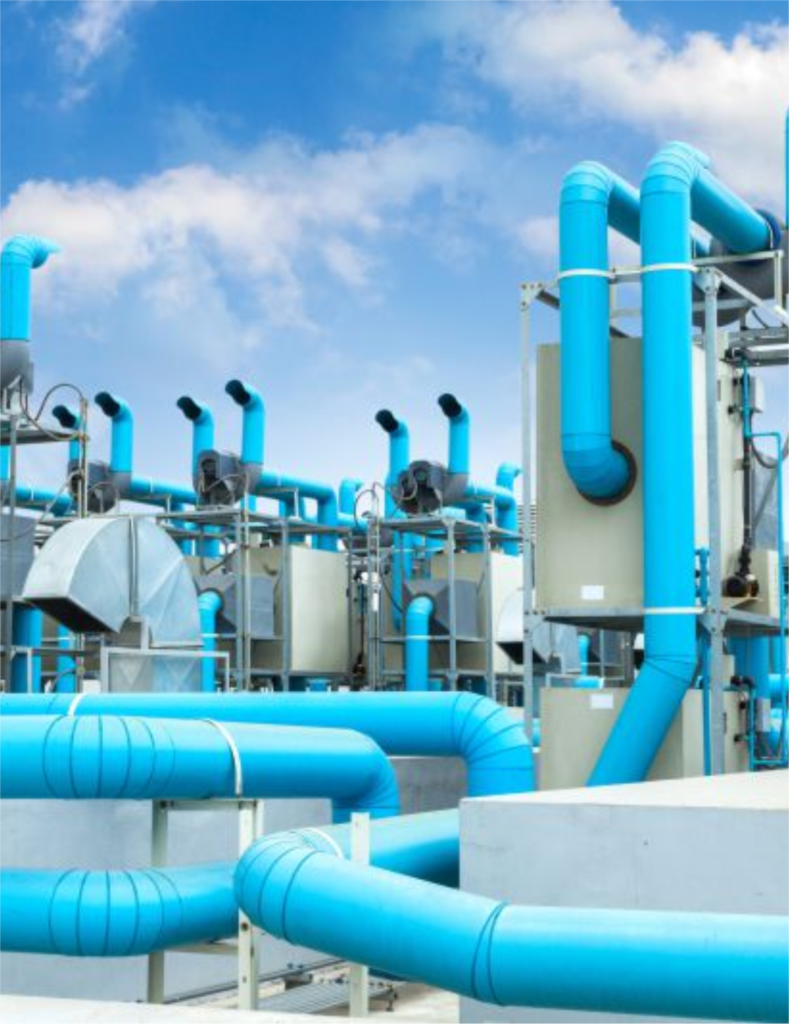
We most commonly encounter antifreeze in connection with vehicle cooling systems. The excess heat generated in the engine is typically removed by a liquid-based cooling system — and not in small amounts, since only about 30–40% of the energy used is converted into motion. From a heat transfer perspective, pure water would be the most efficient solution, as it has the highest heat capacity. However, it has one major drawback: it freezes below 0°C, which can cause irreversible damage to the radiator and cooling system. On the market, antifreeze products are most commonly glycol-based. To protect the cooling system, they are formulated with corrosion inhibitors — and this is the key factor that differentiates the various products. There are numerous standards governing antifreeze liquids, regulating a wide range of parameters.
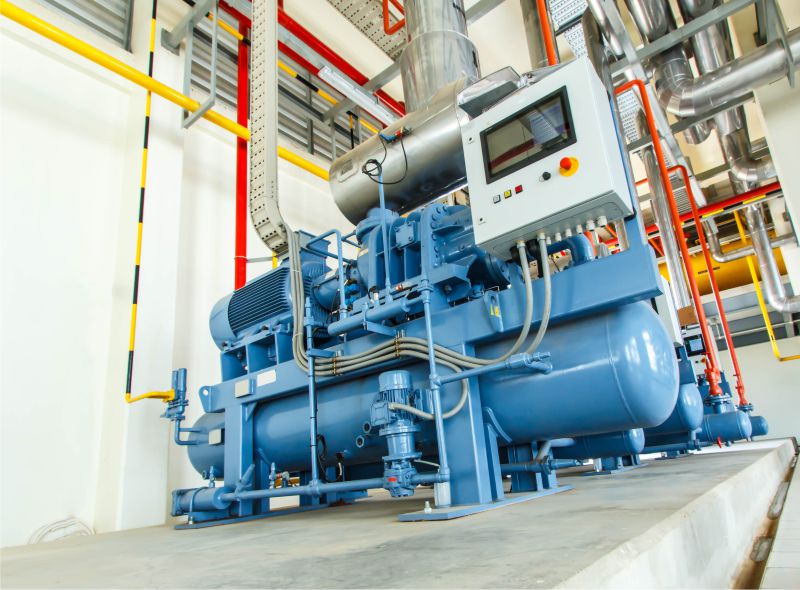
The general public primarily encounters it as antifreeze and as winter windshield washer fluid. Globally, about two-thirds of the produced volume is used by the chemical industry as an intermediate in polyester manufacturing, for the production of polyester fibers, films, and bottles. Approximately one-quarter is used as antifreeze in engine coolants. Large quantities are also used for de-icing aircraft and runways. The Western European distribution differs slightly: roughly half is used for polyester production and about one-quarter as engine coolant. Ethylene glycol is also used for runway de-icing (which is one of the main sources of high local environmental concentrations). In addition, it is widely applied in adhesives, as a plasticizer for cellulose films, in the form of glycol borates for electrolytic capacitors, as dinitrate in explosives, in various heat exchange systems, as a wetting agent in inks, as an antifreeze and wetting agent in paints, and as a gelation-reducing additive.
Ethylene glycol is present in numerous products used for operating and maintaining vehicles. Older automotive brake fluids contained it in concentrations of up to 85%, whereas currently used brake fluids contain less than 0.1%. Antifreeze products typically contain about 50% ethylene glycol. It is also found in winter windshield washer fluids, in concentrations of up to 14% by weight. It may also occur in automotive paints and polishes, but only in amounts up to 3% by weight. Further studies have detected 1.1–1.4% ethylene glycol in four commonly used household floor polishes. The US EPA has reported concentrations of up to 3.5% in floor finishing and polishing products. Ethylene glycol is also used to improve freeze–thaw stability in latex paints or as a slow-evaporating solvent. It is estimated that approximately 85% of interior coatings used in the United States in 1992 were latex paints. Measurements showed ethylene glycol contents of 23.3–25.8 mg/g (2.3–2.6% by weight) in four mid-range paint products. Eleven Canadian paint and coating manufacturers reported that their products may contain up to 5% ethylene glycol by weight. Ethylene glycol may also be present in other consumer products, including tile and bathtub cleaners (up to 3% by weight) and cement additives (up to 2.2% by weight).
Ethylene glycol is metabolized in the liver and kidneys with the involvement of the enzyme alcohol dehydrogenase, which also plays a key role in the metabolism of ethanol. The intermediate metabolites (including aldehyde, glycolate, lactate, and oxalate compounds) are toxic and can cause severe damage to the lungs, heart, and kidneys. In numerous documented cases of ethylene glycol poisoning, the cause of death was renal failure, which was clearly confirmed during autopsy. The systemic signs of poisoning typically appear in three stages following ingestion. The first stage involves effects on the central nervous system and metabolic disturbances. This is followed by cardiopulmonary effects, and finally by nephrotoxicity (kidney damage). In addition to its direct effects on the central nervous system, neurological symptoms may occur, including slurred speech, facial nerve palsy, bilateral optic nerve atrophy due to loss of motor control, and visual impairment, which may develop weeks after poisoning. Ethylene glycol also has a local irritant effect on the gastrointestinal tract, causing pain and, secondarily, gastric bleeding.


The most significant environmental contamination caused by ethylene glycol results from its use in the de-icing of aircraft and runways. The highest concentrations recorded to date have been measured in airport runoff water, reaching levels of up to 19,000 mg/L. When released into the atmosphere, ethylene glycol degrades through reactions with hydroxyl radicals. The compound binds little or not at all to soil particles and is therefore highly mobile in soil. Rapid degradation has been reported in surface waters (more rapidly in freshwater than in saltwater), as well as in groundwater and soil, where several microorganisms are capable of using ethylene glycol as a carbon source. Ethylene glycol is considered to be of low toxicity to aquatic organisms. However, laboratory studies on aquatic life in streams receiving airport runoff have demonstrated toxic effects and mortality. Field investigations at an airport also reported toxic symptoms indicative of ethylene glycol poisoning (including oxalate crystal formation), as well as fish kills and decreased biodiversity.
In recent years, the momentum of sustainability and the circular economy has begun to influence the heat transfer fluids market as well. This is reflected in two key developments: the growing demand for sustainably sourced heat transfer media, and the advancement of regeneration processes for used fluids. Plant-based glycol heat transfer fluids — currently most commonly propylene glycol — help maintain a circular system thanks to the reabsorption capacity of their raw materials, effectively keeping the carbon dioxide and other greenhouse gases emitted during use within the natural cycle. In contrast, glycols produced from hydrocarbons release carbon dioxide that has been locked away for millions of years, both during raw material extraction and during the disposal of spent heat transfer fluids. One of the fundamental pillars of the emerging circular economy is maximizing regeneration wherever possible, followed by reuse. This approach is already feasible in the case of glycol-based heat transfer fluids (ethylene or propylene glycol), significantly reducing the need for fossil fuel extraction for this purpose and thereby lowering additional CO₂ emissions.

Ethylene glycol is a declared hazardous substance in Hungary. Based on its characteristics, it is an irritant that can also be absorbed through the skin, and it is classified in Category I for hazard, meaning it is a locally irritating substance. For ethylene glycol, the EU Directive 2000/39/EC has established an occupational exposure limit.
Propilén-glikol
High-purity, technical / USP-grade antifreeze. Propylene glycol is widely used as a solvent and wetting agent, including in cosmetics and as an antifreeze fluid.
Propylene glycol is considered non-hazardous.
Specification:
Freezing point: -58 °C
Boiling point: 184–189 °C
Density: 1.075 g/cm³
Viscosity: 45 mPa·s
The freezing point is not directly proportional to dilution.
A mixture of 1 part water and 1 part propylene glycol has a freezing point below -30 °C.
Freezing point of a 99% solution: -58 °C
Etilén-glikol
High-purity technical antifreeze fluid used in building engineering systems, heat recovery systems, and as a coolant in motor vehicles.
Specification:
Freezing point: -70 °C
Boiling point: 197.3 °C
Density: 1.1132 g/cm³
Viscosity: 16.1 mPa·s
The freezing point is not directly proportional to dilution.
A mixture of 1 part water and 1 part ethylene glycol has a freezing point of -37 °C.
| Dilution Table | ||
| Freezing Point °C | Propylene Glycol | Ethylene Glycol |
| -10 | 26% | 22% |
| -15 | 34% | 29% |
| -20 | 40% | 36% |
| -25 | 46% | 41% |
| -30 | 50% | 45% |
| Packaging Options | |
| Unit | Type |
| 20–25 L | canister |
| 200 L | drum |
| 600 L | IBC container |
| 1000 L | IBC container |
Request a Quote